Best Fiction Genres to Write in in 2026

Photo by Gabriel Grip: https://www.pexels.com/photo/ladder-by-shelves-with-books-in-library-19369819/
Fiction in 2026 feels like a weird, wonderful buffet. Readers are hungry, picky, emotional, and spoiled for choice. They want comfort and chaos in the same bite. They want fast hooks, deep obsession, and stories that feel like a private addiction.
So if you’re staring at a blank document thinking, “What genre should I write this year?”, you’re not alone. The good news is you don’t need a crystal ball. You need a clear view of what readers crave, what you can produce, and what you’ll still love after chapter ten when the glitter wears off.
Let’s talk about the best fiction genres to write in in 2026, why they’re working, and how to choose the one that fits you like a favorite hoodie.
Why 2026 Feels Different for Fiction Writers
The reader mood shift: comfort, chaos, and cravings
Readers in 2026 are chasing two opposite feelings at the same time. They want stories that soothe them after a long day. They also want stories that punch them in the chest and make them stay up too late. That’s why cozy genres and high-intensity genres are thriving together.
Think of it like playlists. Sometimes you want lo-fi beats. Sometimes you want metal. Same person. Same week. Same stressed-out nervous system.
Platform pressure: rapid attention, slow obsession
Short-form platforms push quick consumption. Readers sample faster. They decide faster. But if you hook them, they binge like it’s oxygen.
Series hunger vs standalone fatigue
Series are still king in 2026. Standalones can do well, but series build momentum, trust, and repeat buyers. Readers love living in a world for a while, especially when the characters feel like friends or enemies they can’t stop thinking about.
How to Choose the Right Genre for You in 2026
Start with the “triangle test”
Here’s the most practical filter for genre choice. You need all three points.
What you love
If you don’t love the genre, you’ll burn out. Readers can smell boredom. It leaks into every paragraph like stale smoke.
What you can publish consistently
A genre is only “profitable” if you can produce it. If you need six months to research one book, you might not want a genre where readers expect two to four releases a year.
What readers keep buying
This isn’t selling your soul. This is writing with your eyes open. If you want writing to pay bills, you need to respect the market.
One genre, many lanes
You don’t have to pick a single narrow box.
How to niche down without boxing yourself in
Instead of “fantasy,” think “romantic fantasy with political intrigue.” Instead of “horror,” think “folk horror set in rural winters.” Your niche is your promise to the reader.
Genre 1: Romantasy
Why it’s still white-hot
Romantasy keeps dominating because it doubles the payoff. Readers get the emotional oxygen of romance plus the scale and danger of fantasy. It’s like ordering dessert and getting it served inside a thunderstorm.
What readers expect in 2026
Romantasy readers are picky in a good way. They know what they like.
High-stakes chemistry
The romance needs tension. Not polite flirting. Not instant soulmates with no friction. Readers want push-pull, power struggles, temptation, fear, and longing that feels physical.
Big emotions, bigger worlds
Worldbuilding matters, but it can’t be a textbook. In 2026, romantasy readers want the world revealed through conflict, action, and emotional consequence.
Subgenres to watch
Romantasy keeps splitting into strong sub-lanes.
Dark romantasy
More danger. More moral gray. More intensity. Readers love characters who are broken, cruel, tender, and terrifying in the same scene.
Cozy romantasy
Lower violence. Higher warmth. Romantic tension still exists, but the story feels like candlelight and rainy windows.
Myth retellings
Myth retellings keep working because they feel familiar and fresh at once. Readers enjoy the “I recognize this” feeling while still being surprised.
Who should write it
If you love tension and long arcs
If you enjoy slow-burn romance, complicated relationships, and big story swings, romantasy is a strong bet for 2026.
Genre 2: Cozy Fantasy
Why cozy keeps winning
Cozy fantasy is the antidote to burnout culture. It’s fiction as comfort food. Readers pick it up the way people pick up soup when they’re sick.
What “cozy” means now
Cozy fantasy in 2026 isn’t always “nothing bad happens.” It’s more like, “Bad things exist, but this story chooses warmth.”
Low gore, high heart
Cozy doesn’t mean boring. It means the emotional focus stays on belonging, healing, and small joys.
Found family and safe stakes
Readers want characters who build something together. A shop. An inn. A community. A life.
Best cozy setups
Magical inns, tea shops, apothecaries
These settings work because they’re naturally social. They create recurring casts. They give you built-in episodic plots.
Who should write it
If you write vibe-first stories
If you love sensory scenes, charming dialogue, and character chemistry without constant violence, cozy fantasy fits.
Genre 3: Thriller
Why thrillers never die
Thrillers sell because they’re engineered to keep readers turning pages. They’re the fiction equivalent of caffeine.
What’s evolving in 2026
Thrillers are getting sharper.
Faster hooks
In 2026, you need tension early. Not chapter five. Not “wait for it.” Readers sample quickly.
Smarter villains
Audiences are tired of cartoon villains. They want villains who make sense, who believe they’re right, who feel human.
Subgenres to watch
Domestic thriller
Still strong because it turns everyday spaces into traps. A kitchen becomes a crime scene. A marriage becomes a war.
Tech and AI thrillers
Near-future tech thrillers are rising. Readers love stories that feel plausible, creepy, and close to home.
Small-town noir
Small-town thrillers keep working because secrets breed in small places. Everyone knows your name, and everyone lies.
Who should write it
If you love tight plotting
If you enjoy outlining, pacing, and twists that snap into place, thrillers are a reliable 2026 pick.
Genre 4: Horror
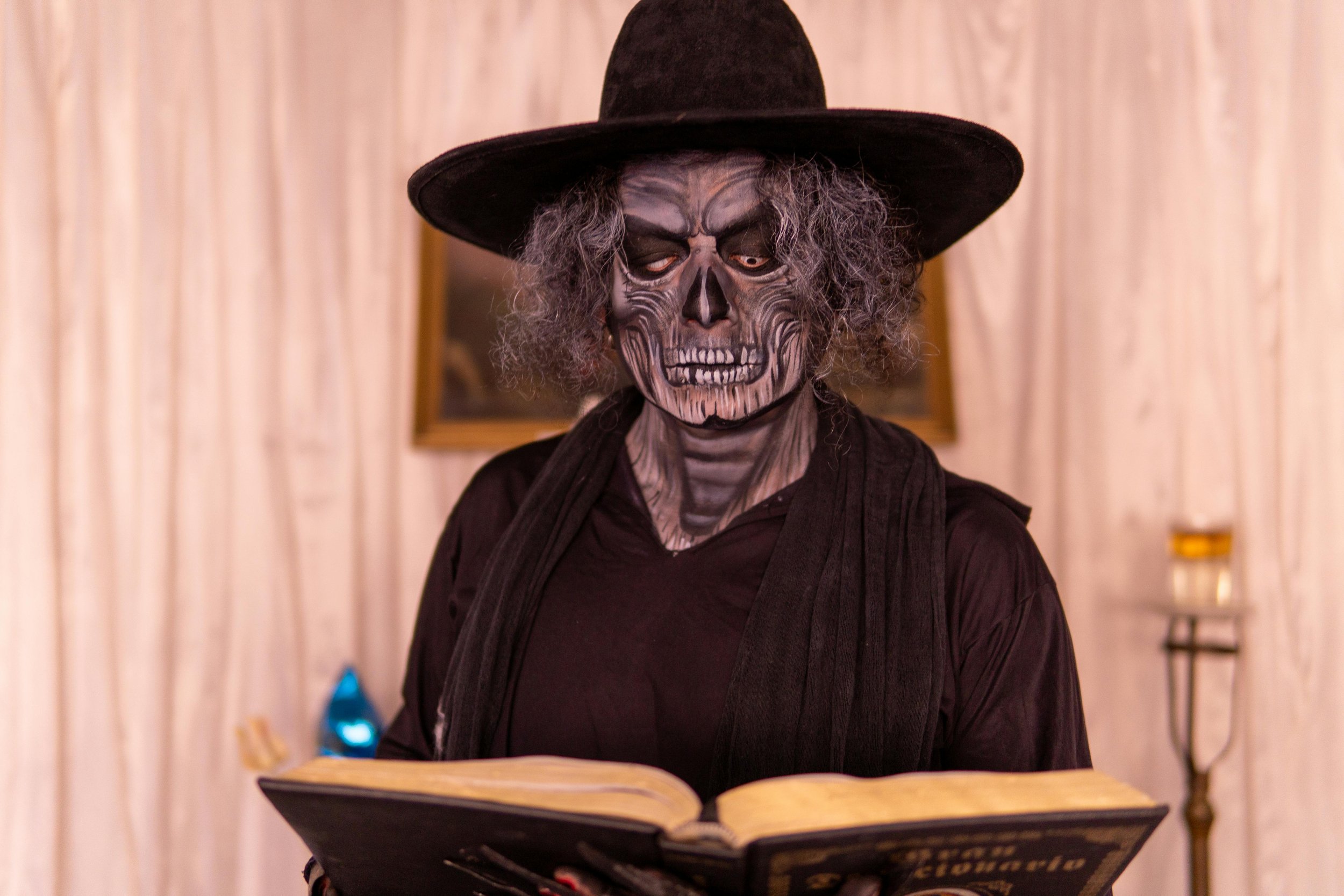
Photo by Israyosoy S.: https://www.pexels.com/photo/gothic-character-reading-ancient-book-indoors-30378526/
Why horror is booming
Horror thrives when people feel uncertain. It gives shape to anxiety. It turns dread into a story you can finish.
The new horror sweet spots
Horror in 2026 keeps getting more creative and more niche.
Analog horror
Think cursed broadcasts, VHS aesthetics, old TVs, glitchy footage, creepy “found media” vibes. It works because it feels intimate and invasive.
Folk horror
Old gods, rural rituals, ancestral sins, forests that watch you back. Folk horror keeps growing because it mixes beauty with menace.
Cosmic and ocean horror
Big, indifferent horror. The kind that makes you feel small. Ocean horror especially hits hard because deep water already triggers primal fear.
Who should write it
If you like dread as a craft
If you enjoy atmosphere, tension, and slow terror, horror is a strong lane in 2026.
Genre 5: Science Fiction
Why sci-fi is surging again
Sci-fi is thriving because reality feels like sci-fi. Readers want stories that help them process change.
The 2026 reader appetite
Climate futures
Not always doom. Sometimes survival. Sometimes adaptation. Readers want worlds that feel possible.
Near-future corporate dystopias
Corporations, surveillance, biohacking, social credit systems, algorithmic control. These themes are sticky because they feel close.
Subgenres to watch
Hopepunk
Hopepunk is about resistance and kindness in dark settings. Readers want light without denial.
Military sci-fi with heart
Action plus emotional depth. Not just pew pew, but loyalty, trauma, sacrifice, identity.
Solarpunk
Optimistic futures, green tech, community building. It’s a “what if we fixed things” genre, and it’s growing.
Who should write it
If you like big questions
Sci-fi rewards writers who enjoy “What happens if…?” and who can build believable systems.
Genre 6: Fantasy
Epic fantasy is back, but it’s different
Epic fantasy is returning with a modern flavor. Readers still love big worlds, but they want more intimacy and momentum.
What readers want now
More intimacy, less sprawl
Even in huge worlds, readers want close POV, strong character arcs, and scenes that feel immediate.
Clear stakes early
You don’t need to dump lore. You need to give readers a reason to care fast.
Subgenres to watch
Progression fantasy
Readers love watching characters level up. Training arcs, power systems, measurable growth.
Grimdark-lite
Readers want grit without nihilism. Darkness with meaning.
Mythic fantasy
Legendary tone, poetic myth vibes, gods and fate, but with modern pacing.
Who should write it
If you love worldbuilding systems
If you enjoy creating rules, cultures, and histories that feel real, fantasy remains a strong 2026 lane.
Genre 7: LitRPG and GameLit
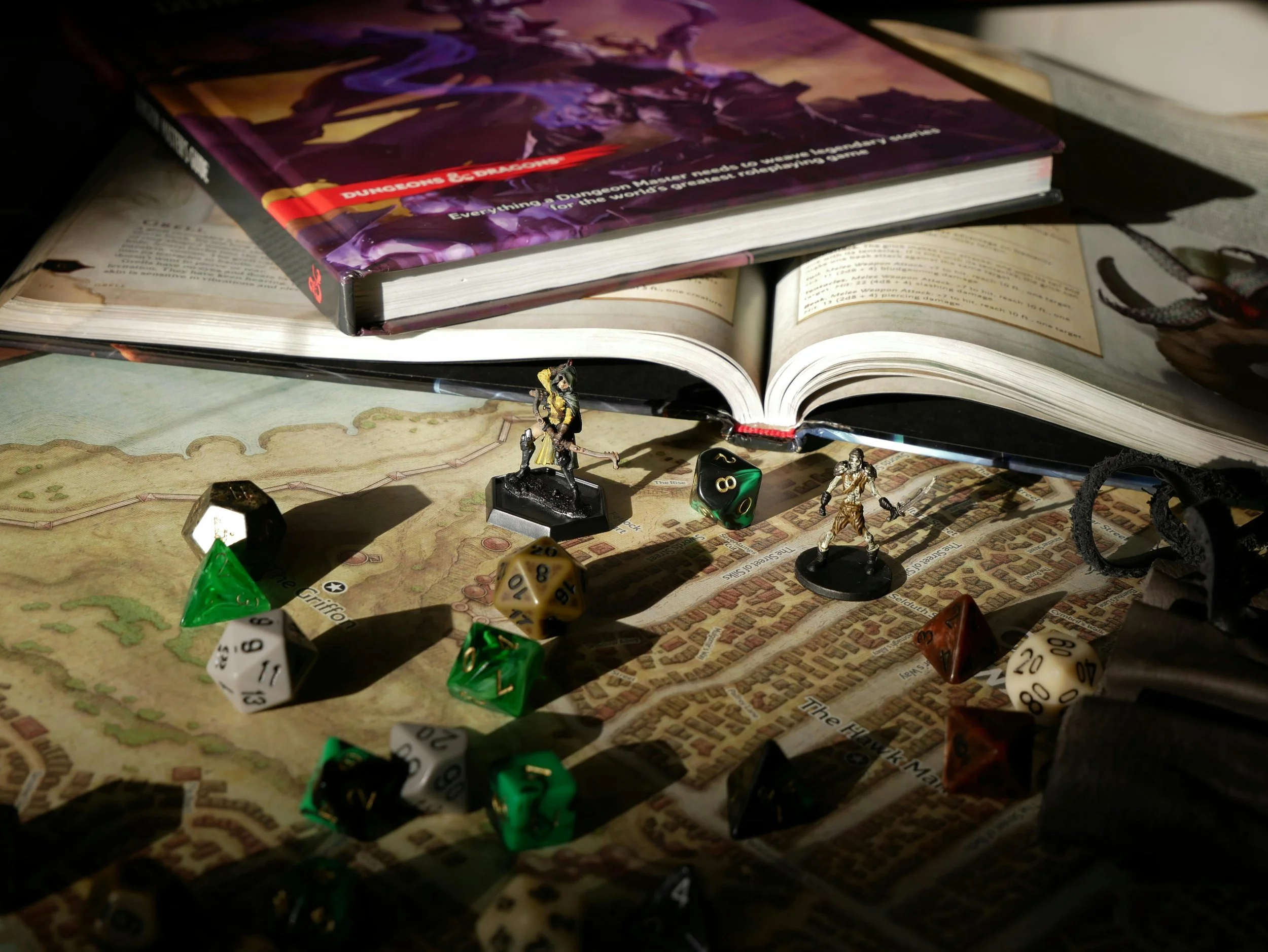
Photo by Stephen Hardy: https://www.pexels.com/photo/figurines-and-dice-on-board-game-map-7018123/
Why this niche keeps paying
LitRPG and GameLit audiences are loyal and hungry. If you deliver consistent series entries, you can build a strong income stream.
Reader expectations in 2026
Clean stat presentation
Readers want stats that are readable, not cluttered.
Relentless momentum
LitRPG readers love forward motion. The story needs constant goals, obstacles, progress.
Who should write it
If you can write long series
If you like writing in installments and building a world over many books, LitRPG is worth considering.
Genre 8: Young Adult
YA isn’t dead, it’s mutating
YA in 2026 is shifting toward romance-forward stories and strong voice. Readers want emotional honesty and sharp character identity.
What’s working in 2026
Romance-forward YA
Love stories with high stakes, intense feelings, and strong character chemistry.
High-concept contemporary
Stories with a bold hook, a sharp premise, and a voice that feels real.
Who should write it
If you love voice-first storytelling
YA rewards writers who nail tone, humor, pain, and internal conflict.
Genre 9: Contemporary Romance
Why contemporary still sells
Romance is evergreen because readers chase emotional payoff. Contemporary romance thrives because it feels relatable, quick, and bingeable.
What’s changing
More specificity, less generic
Readers want distinctive settings, real jobs, real problems. No more bland “city girl meets guy.”
Bigger character flaws
Perfect characters bore readers. Messy people keep them turning pages.
Subgenres to watch
Sports romance
Still strong, especially when the stakes feel personal, not just “win the championship.”
Workplace romance
Tension plus proximity equals sparks. It’s reliable when done well.
Second-chance romance
Readers love redemption, regret, and earned reconnection.
Who should write it
If dialogue is your superpower
If you can write banter, emotional confrontation, and chemistry, romance is a 2026 winner.
Genre 10: Mystery
Why mystery stays evergreen
Mystery works because it’s a game. Readers like collecting clues, guessing, and feeling smart when they’re right.
The 2026 angle
Series detectives
Recurring investigators keep readers loyal. People love returning to a familiar brain.
Community casts
Mysteries with ensembles feel cozy, social, and addictive.
Subgenres to watch
Cozy mystery
Comfort plus puzzle. Still popular.
Historical mystery
A mystery plus a time period doubles the appeal for many readers.
Who should write it
If you love clues and structure
Mystery rewards careful planning and payoff logic.
Genre 11: Historical Fiction

Photo by cottonbro studio: https://www.pexels.com/photo/side-view-photo-of-man-doing-an-inspection-7319149/
Why readers keep returning to the past
Historical fiction offers escape and perspective. It lets readers feel grounded in a world with different rules.
What sells in 2026
Underrated eras
Overused eras still work, but fresh time periods stand out faster.
Domestic intimacy
Readers love small human stories set against big historical backdrops.
Who should write it
If research energizes you
If digging into old details feels fun, historical fiction can be deeply rewarding.
Genre 12: Short Fiction and Serial Fiction
Why shorter formats are growing
Short fiction fits modern attention spans and digital consumption habits. Serials thrive because they create “one more episode” energy.
Where it works best
Horror episodes
Horror loves short form because tension stays tight.
Romance serials
Romance works great in installments, especially with cliffhangers and slow burn.
Micro-thrillers
Short thrillers can hit like a punch.
Who should write it
If you like fast experiments
If you enjoy testing ideas quickly and learning fast, short fiction is a powerful 2026 move.
The Best Genre Combos to Write in 2026
High-performing mashups
Mixing genres is like mixing flavors. Done right, it’s addictive.
Romantasy + political intrigue
Love plus power games equals obsession.
Cozy + mystery
Warm vibes plus puzzles equals binge reading.
Horror + sci-fi
Tech fear plus existential dread equals sleepless nights.
How to combine without confusing readers
Promise, tone, payoff
Make one clear promise. Keep tone consistent. Deliver the payoff your cover and blurb imply.
Practical 2026 Strategy
Pick one “home genre”
Choose the genre you’ll build your brand around. You can still experiment, but a home genre helps readers know what you do.
Build a simple release plan
Consistency beats perfection.
Series first, standalones later
A series builds repeat buyers faster. Standalones can come after you’ve built trust.
Cover, blurb, and keywords
Match expectations
If you write cozy, don’t brand it like grimdark. If you write horror, don’t use cute covers. Readers buy what they think they’re getting.
How to test a genre without wasting a year
Write a novella
A novella is a fast test. You learn reader response without committing to a 120k epic.
Run a reader magnet
Offer a free story to gather feedback and build an audience. Think of it like a taste sample at a grocery store.




Conclusion
In 2026, the “best” fiction genre isn’t one universal answer. It’s the genre where reader demand meets your strengths, your joy, and your ability to keep showing up. Romantasy, cozy fantasy, thriller, horror, and romance are especially strong lanes, but any genre can work if you hit expectations and deliver consistently. Pick a home genre, choose a clear niche, and write the kind of story you’d binge at 2 a.m. That’s the sweet spot.
FAQs
1) What is the easiest fiction genre to write in for beginners in 2026?
Contemporary romance and cozy fantasy tend to be beginner-friendly because they rely more on character and setting than complex world systems, but “easiest” still depends on what you naturally enjoy writing.
2) What fiction genre makes the most money in 2026?
Romance and romantasy often have strong earning potential because readers binge series and buy frequently, especially when the books deliver consistent emotional payoff.
3) Should I write standalones or series in 2026?
Series usually build momentum faster. A strong series helps you earn repeat buyers and grow a loyal audience.
4) Can I mix genres without ruining my sales?
Yes, as long as your main promise is clear. Keep tone consistent and make sure the cover, blurb, and keywords match what the reader will experience.
5) How do I know if my genre idea has an audience?
Check reader communities, bestseller lists, and comparable titles. If readers are actively buying similar books and talking about them, you’ve got proof of demand.

A reader magnet can help authors turn casual visitors into email subscribers. This guide explains how to prepare a reader magnet, upload it to BookFunnel, create a signup page, connect an email platform, test delivery, and use the offer as part of a professional author platform.